Xinhuanet | Cross-Border Collaboration: “Urban Sustainable Development Exploration Program” Enters BEWG Daoxianghu Water Plant 2026-09-02
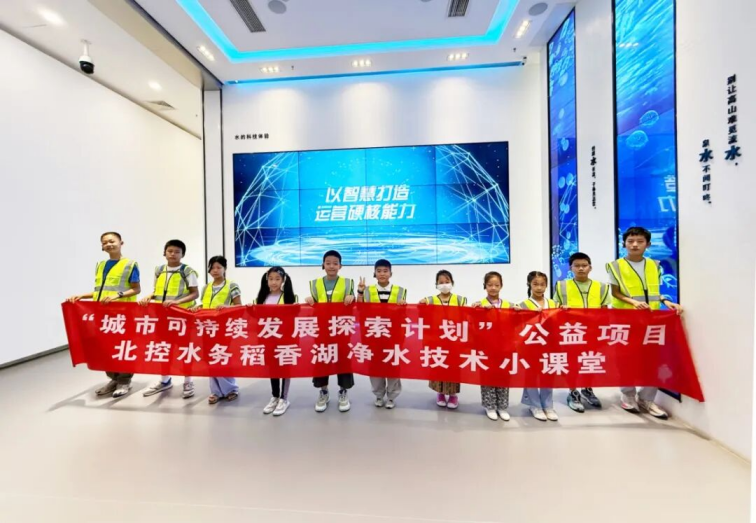
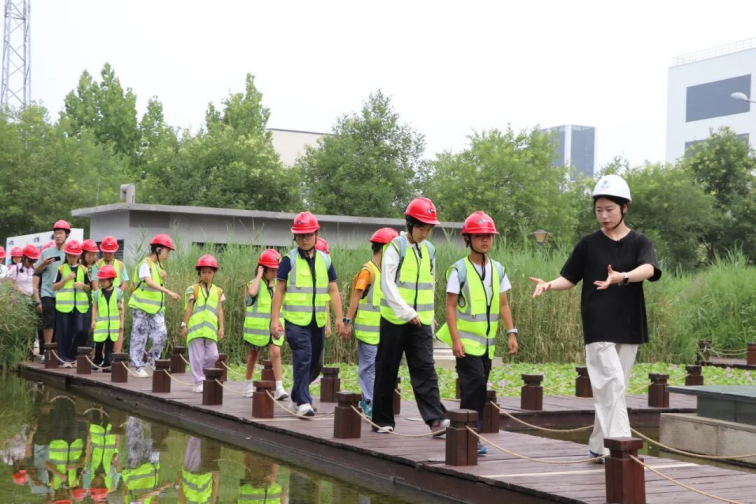
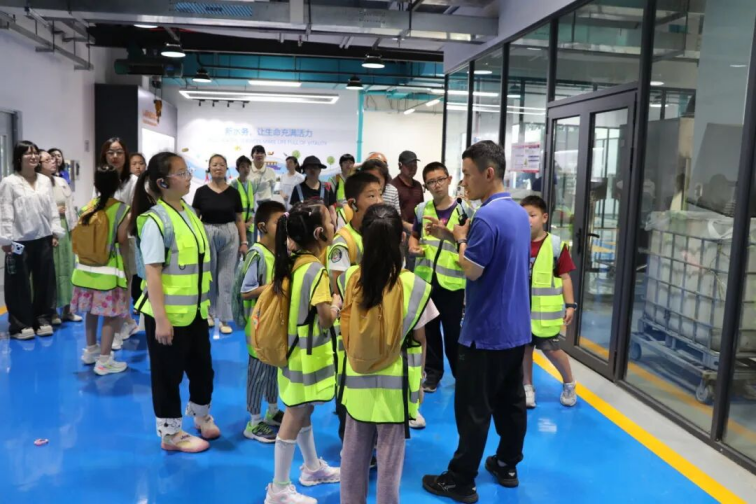
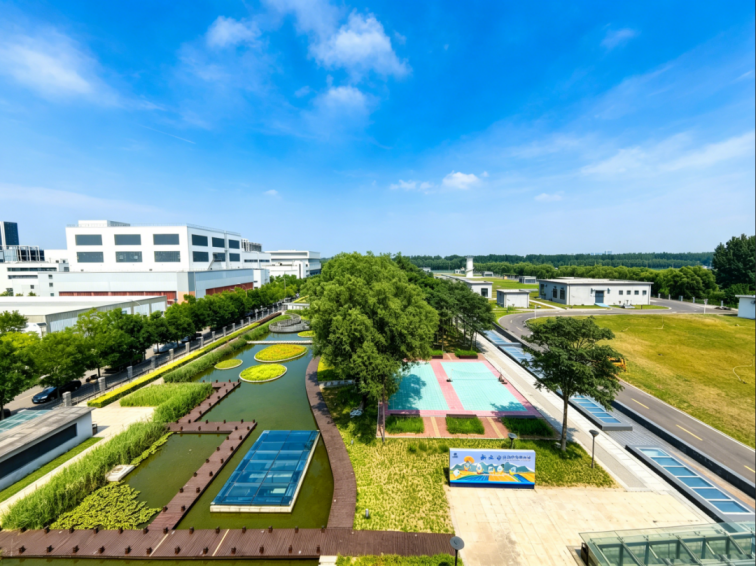
Where does the domestic sewage generated by cities every day go? What journey does a drop of water undergo to regain clarity? This summer, 55 parent-child families visited BEWG Daoxianghu Recycled Water Plant with curiosity and questions. In a “Water Purification Mini-Class”, they found their answers: water rebirth is guarded by technology, and such enlightenment originates from innovative public welfare initiatives.
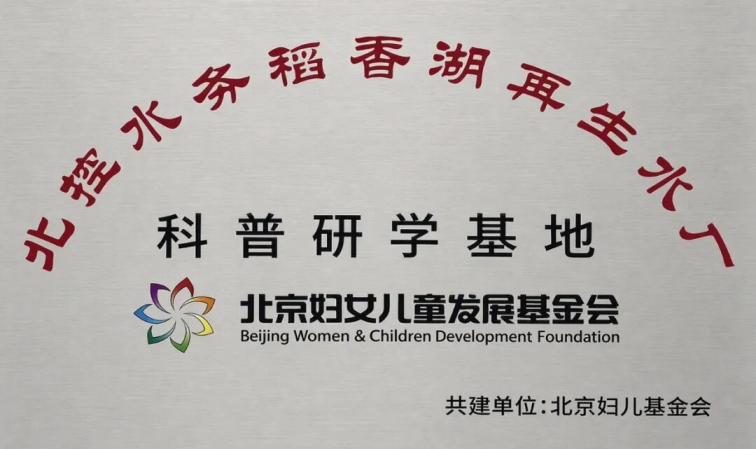
BEWG Group, together with the Women’s Federation of Beijing Municipality and Beijing Women and Children’s Foundation, designed and launched the public welfare project “Urban Sustainable Development Exploration Program”. Participants were immersed in exploring how sewage turns into clean water. Four water plant science popularization events were delivered within 30 days, attracting 120 participants. Meanwhile, Beijing Women and Children’s Foundation awarded Daoxianghu Recycled Water Plant the title of “Science Popularization & Research Study Base”.
Traditional environmental science popularization usually operates in isolation, mostly limited to enterprise open days and community bulletin boards, reaching only a narrow audience.
By contrast, this public welfare project builds a three-party science education platform linking “Women’s Federation + Environmental Enterprise + Families”. Governments and enterprises work in tandem to extend ecological civilization education from classrooms to on-site sites, from individuals to families, and further radiate from families to the whole society.
The official awarding of the “Science Popularization & Research Study Base” helps transform this one-off public welfare activity into a regular mechanism. Supported by the base, BEWG continuously opens its environmental science resources to the public, making the “classroom inside the water plant” a sustainable public welfare model.
Conventional environmental education mostly relies on display boards and courseware, while this research study brings the classroom directly to the real wastewater treatment site.
Led by professional interpreters, parent-child families visited the water technology exhibition hall, intelligent central control room and underground production workshops of the plant to inspect core wastewater treatment structures. The exhibition hall presents the evolution of the water industry; real-time operational data displayed in the intelligent control room makes the “invisible operation and maintenance” visible; wastewater treatment equipment runs steadily in underground workshops.
Combining process models and on-site facilities, interpreters explained in simple, lively language the full process chain: domestic sewage collection, grid pre-treatment, activated sludge biochemical treatment, advanced purification via MBR membranes, qualified discharge and water reuse. They unveiled the mystery of wastewater treatment plants, known as the “kidney of the city”.
Direct on-site comparisons turn abstract environmental concepts into something observable, tangible and perceptible. Children truly experienced the technological input behind every drop of treated water and learned for the first time that the city’s “kidney” lies in the workshops beneath our feet.
The value of this scenario innovation lies in transforming water plants from NIMBY facilities into “neighbor-friendly classrooms”, and upgrading urban infrastructure into public science education spaces.
Science popularization is not merely about observation, but also comprehension and action.
During interactive sessions, staff explained the theories behind each wastewater treatment stage with courseware and experimental devices. Q&A sessions covering water resource status and household water-saving tips were held to answer children’s questions patiently.
From “where water comes from” to “where it flows”, and from “how sewage gets purified” to “how to save water”, children raised questions actively and observed carefully. Parent-child joint learning and home-school collaboration re-highlight the important role of families in ecological civilization development.
“I didn’t know sewage from our homes needs so many steps to get clean. I will save water in daily life from now on!” said one child participant.
After the exchange session, children created paintings themed “The Wastewater Treatment Plant in My Mind” based on what they had learned and felt, capturing their takeaways from the field trip on canvas.
Their imagination of water conservation, treatment processes and green homes expresses childlike innocence and witnesses the germination of ecological awareness.
The Water Purification Mini-Class at BEWG Daoxianghu Recycled Water Plant is a key practice of the “Urban Sustainable Development Exploration Program” and a vivid example of BEWG fulfilling its social responsibilities. The plant receives around 800 public visitors annually. It keeps enriching and innovating ecological practice scenarios, bringing environmental science education into families and nurturing green awareness among children.
More
-
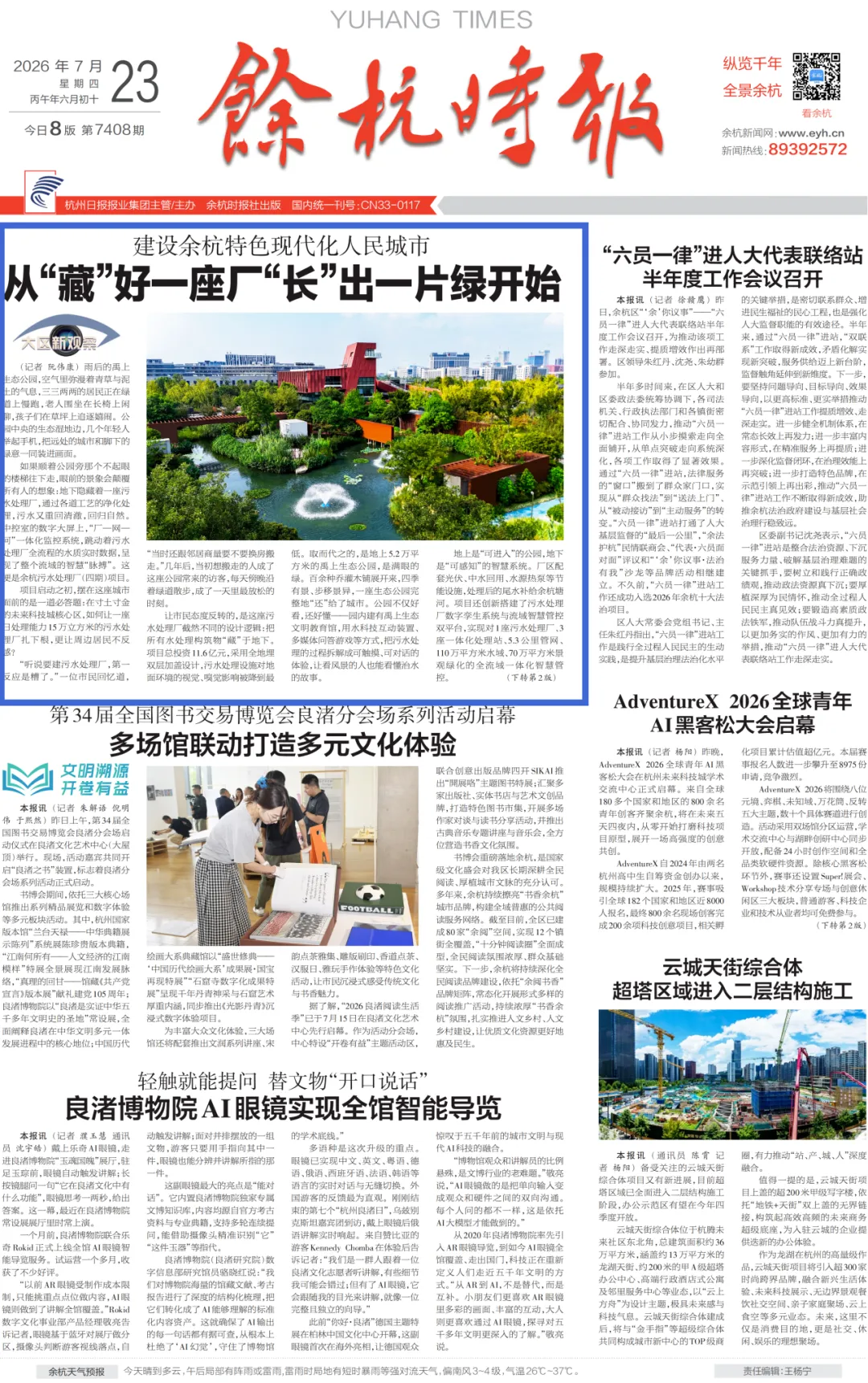
Yuhang Times | Building a Modern People-Centered City with Yuhang Characteristics: Starting from “Hiding” a Plant and “Growing” a Green Space
-
Shanghai Securities News | 2026 BEWG Cup Competition Launched to Build an Integrated Green Innovation Platform for Governments, Universities, Industries and Enterprises
-
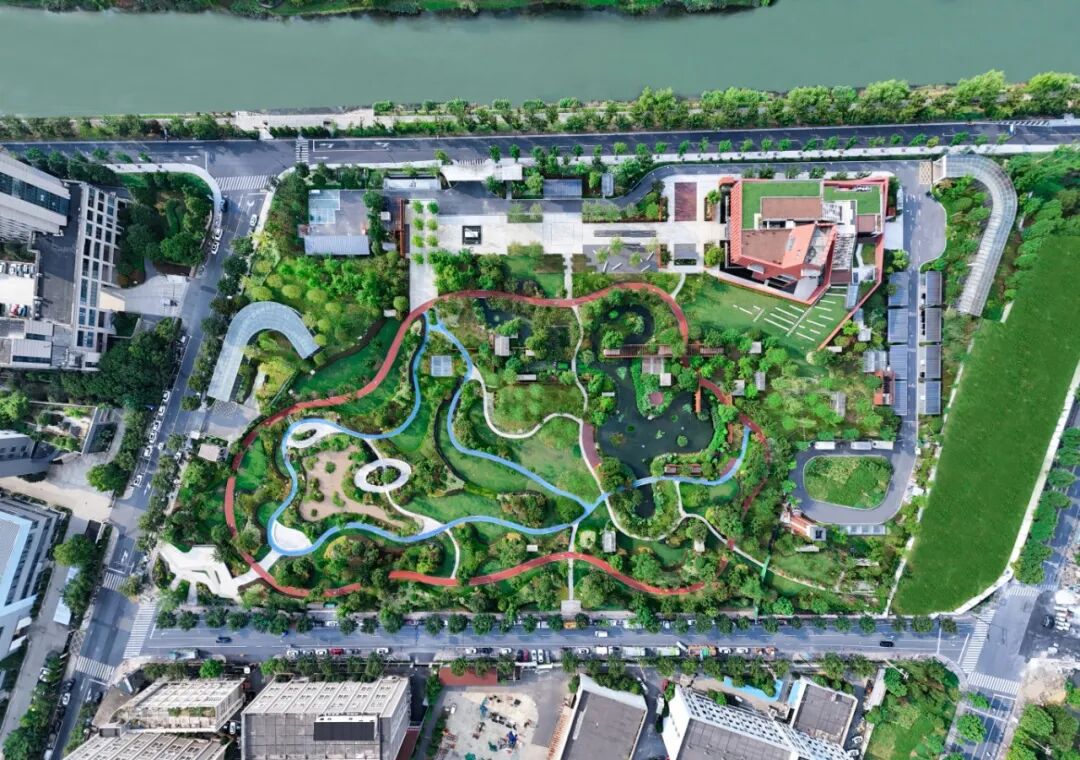
CCTV News | Recycled Water Back in Service: The Spectacular Transformation of BEWG Yuhang Wastewater Treatment Plant Phase IV