BEWG Wins "Best Application Case for Science and Technology Innovation Scenarios" 2026-08-20
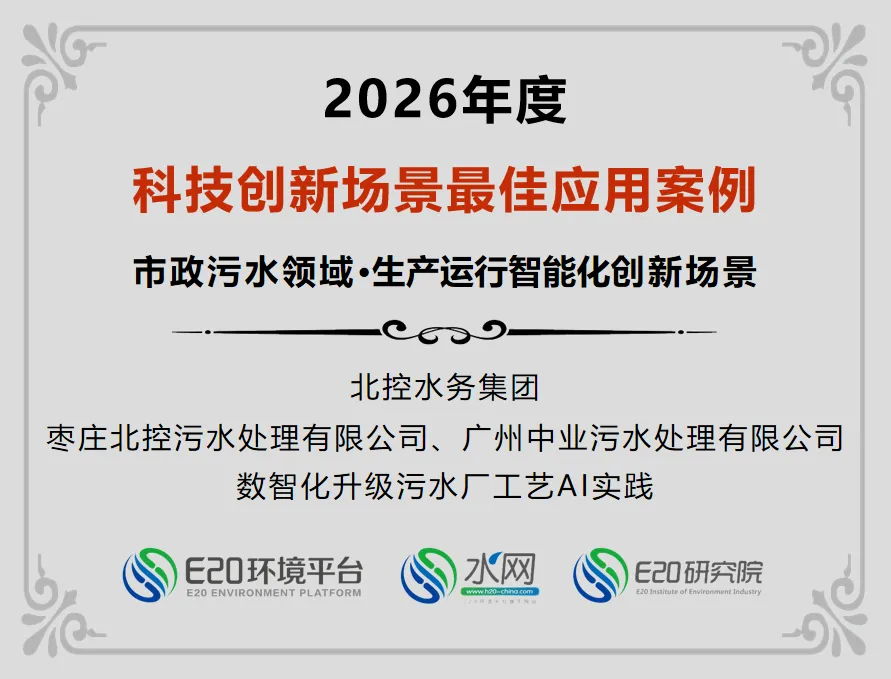
The 18th Shanghai Water Industry Hotspot Forum was successfully held on August 20. With its Process AI Practice for Digital and Intelligent Upgrade of Wastewater Treatment Plants, BEWG was awarded the title of "Best Application Case for Science and Technology Innovation Scenarios" (Intelligent Operation and Innovation Scenario in Municipal Wastewater Sector).
In recent years, BEWG has fully rolled out data-driven management: data is used to give early warnings of safety risks such as water quality deterioration and overflow; data enables online dynamic quantification and full public disclosure of water plant star rating assessment; digitalization underpins the system for safety risk identification, process control and closed-loop operation; and end-to-end digital closed-loop management of operation and maintenance work orders has been realized.
When we dig deeper from routine operation into core production, process control stands out as the most critical link. Drawing on its nationwide operation scenarios, data assets and accumulated process expertise, BEWG has taken the lead in applying AI to the core production of wastewater treatment plants. Integrating data, process mechanisms and intelligent algorithms, Process AI helps transform water plants into an intelligent operation system featuring data, models and cloud-edge collaboration, and develops replicable, iterable and scalable standardized operation capabilities.
01 Building the Foundation: Constructing the Process AI System
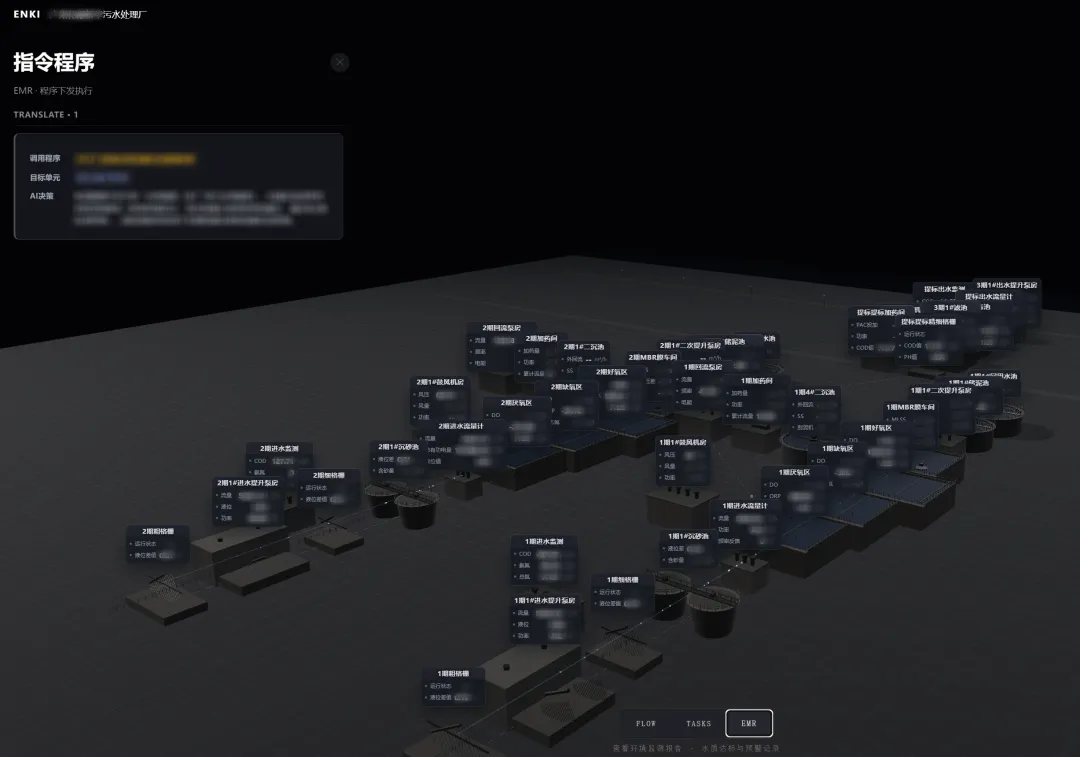
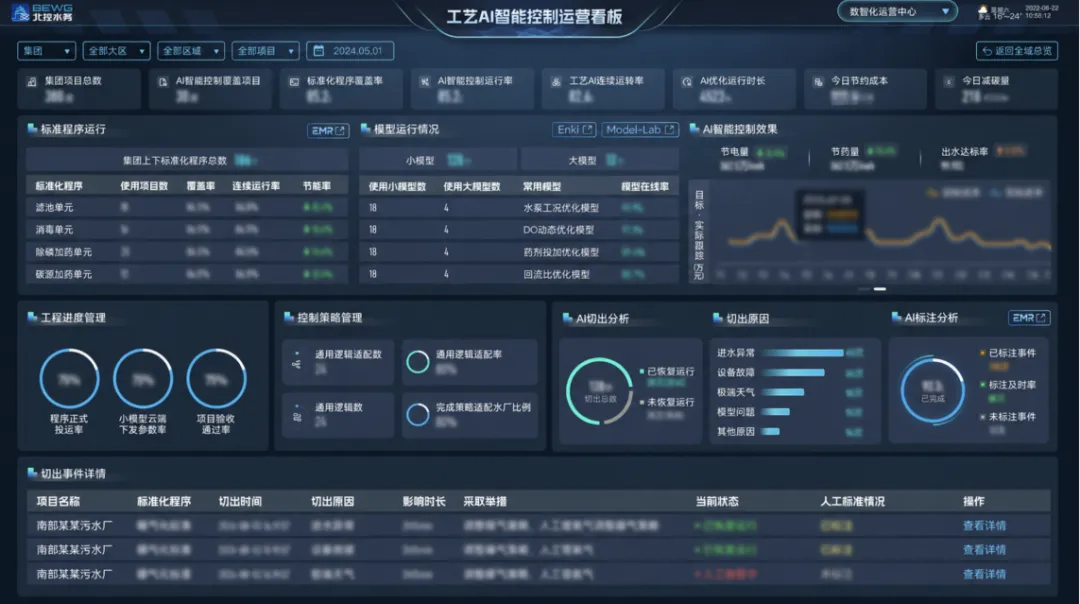
Centered on the core scenario of production control, BEWG has built a complete Process AI system featuring standardized procedures + small-scale models + ENKI Agents + cloud-edge collaboration. It perceives operating conditions via data, optimizes parameters with algorithms, and captures professional experience through models. The ENKI Agents coordinate multiple models to deliver dual benefits: precise automatic control of individual units and global intelligent decision-making for the whole plant.
• Standardized Procedures: Translating Expert Knowledge into Machine Language
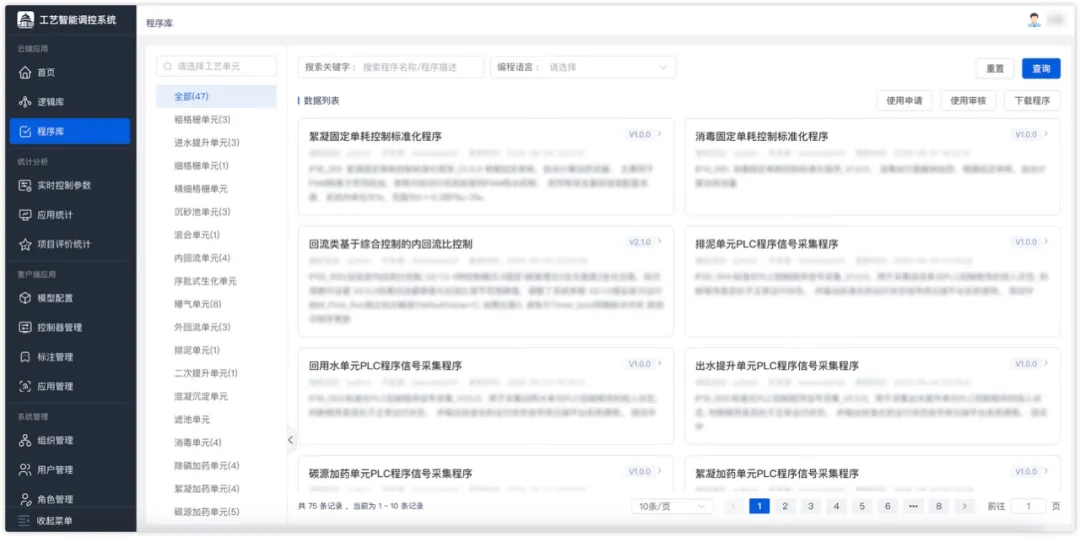
BEWG systematically sorted out regulation methods for different processes, load conditions and operating scenarios. It has completed standardization for 12 core process units and 27 sets of process control logics, converting expert know-how on when to adjust, how much to adjust, and when to switch modes into machine-readable and executable rules.
• Small-scale Models: Dynamic Calculation of Key Control Parameters
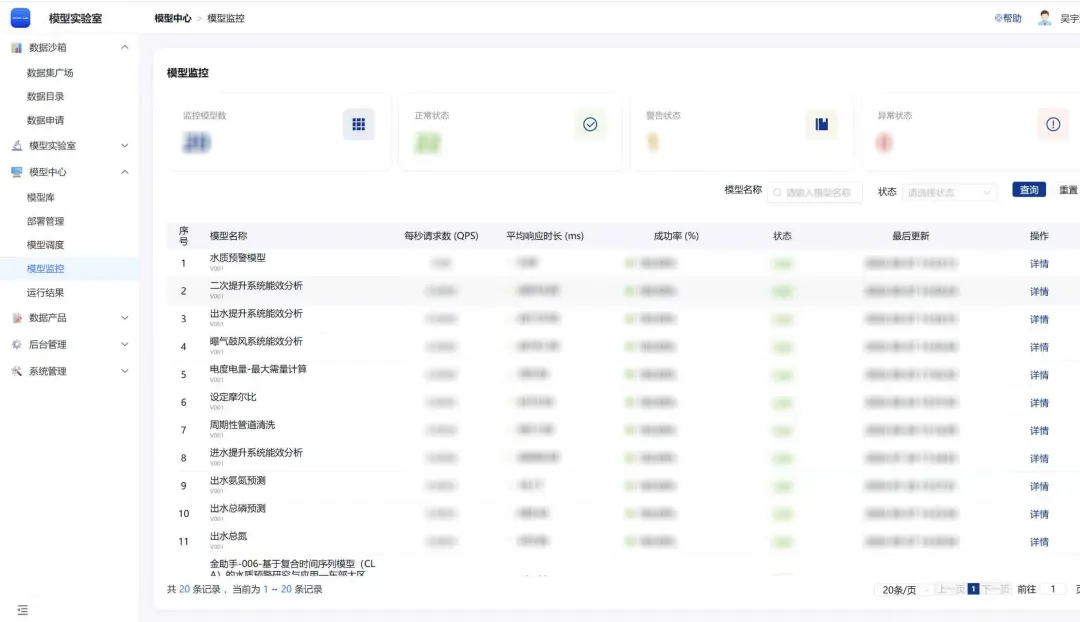
For core process indicators including dissolved oxygen (DO), aeration volume, chemical dosage and recirculation ratio, BEWG leverages lightweight small-scale models to intelligently calculate optimal control parameters dynamically based on real-time on-site conditions. Twenty sets of such models have been deployed for field operation tests at water plants.
The full algorithm system integrates process mechanisms, statistical analysis and machine learning. For different business scenarios, Jenks Natural Breaks Classification is adopted to automatically classify typical operating conditions; Isolation Forest is used for anomaly detection; Dynamic Time Warping (DTW) identifies similar operation sequences. Machine learning algorithms such as Gradient Boosting Decision Tree (GBDT), Random Forest and XGBoost are combined to build multi-scenario parameter prediction models.
Meanwhile, Transformer time-series forecasting models are deployed to mine correlations in long-cycle data. Causal inference and causal graphs are used to decouple coupling relationships among multiple variables, establishing a multi-dimensional intelligent parameter prediction engine. Under complex production conditions such as seasonal shifts, load fluctuations and sludge concentration variations, the system can automatically iterate and adjust process parameters to ensure long-term stable and efficient operation.
• ENKI Agents: Plant-wide Global Optimization
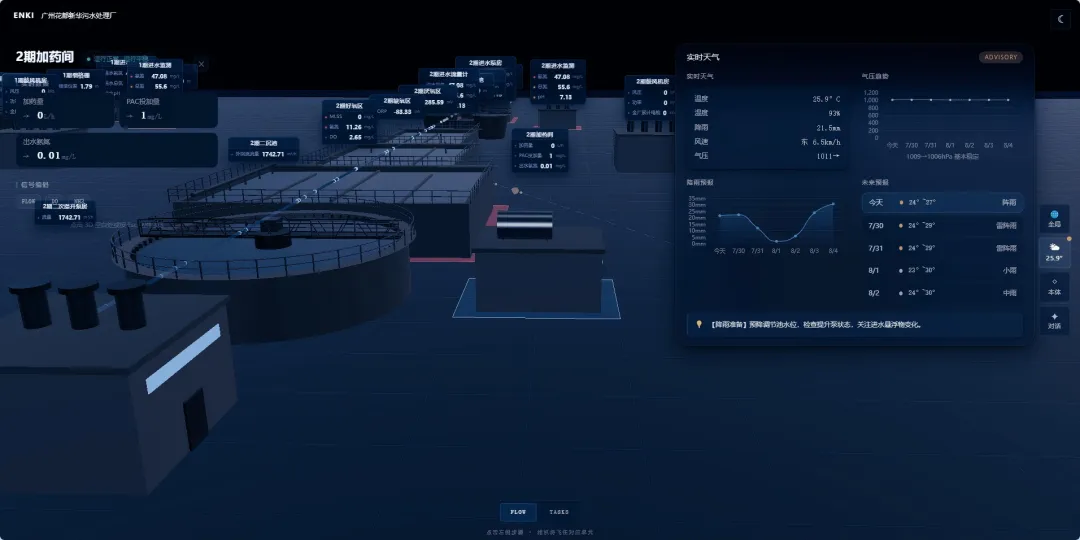
ENKI Agents break the limitations of localized control and coordinate process operation from a full-plant perspective. Supported by a multi-agent collaborative architecture, they comprehensively evaluate multiple dimensions: influent water quality, energy and chemical consumption, sludge status, equipment maintenance, operational risks and stability of effluent compliance. By simulating counterfactual intervention paths through hybrid process-mechanism and AI simulation, the Agents accurately solve the globally optimal operation plan under multiple constraints of the wastewater plant.
The Process AI system adopts a cloud-edge collaboration mode: iterative training on the cloud and instant execution at the edge. While algorithm models evolve and update autonomously, the system firmly safeguards production safety and stable effluent quality, balancing intelligent upgrading and reliable operation.
02 Real On-site Deployment: AI for Real-time Decision-making & Operation
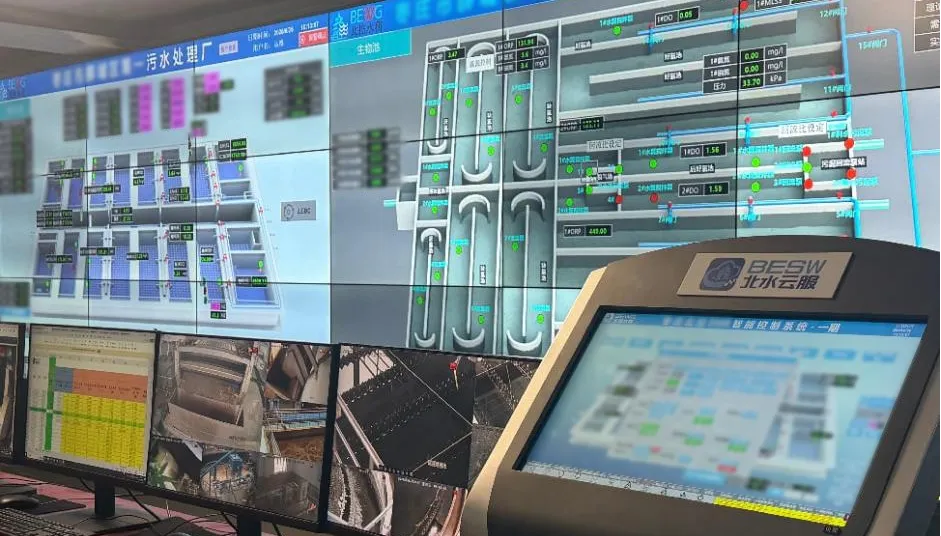
Process AI is not merely a suggestion system displayed on screens. It is fully deployed for on-site operation and embedded into the control loop.
• Zaozhuang BEWG: Pioneer of Full-process Automatic Control
As one of the Group’s first batch of Process AI pilot projects, Zaozhuang BEWG faces stringent water quality requirements at the national control section of the Nansi Lake. Targeting adaptive full-process automatic control under variable influent loads, it has deployed standardized procedures for 12 process units including bar screening, grit removal, lifting, aeration, recirculation, carbon source and phosphorus removal dosing, and sludge discharge. Eight small-scale models are embedded to form a full-process control chain covering influent load identification, calculation of aeration demand and DO setpoints, dynamic recirculation correction, carbon source/phosphorus removal dosing and linkage with execution equipment.
The full set of standardized procedures has been officially put into use. The longest continuous running time of standardized procedures for core units exceeds one month, with an operation coverage rate of over 90%. While maintaining stable water quality, aeration power consumption per ton of water dropped by 14.4% year-on-year; phosphorus removal chemical consumption decreased by 33% after procedure deployment, and total phosphorus in effluent remains stably below internal control thresholds.
• Huadu Guangzhou: From Post-event Adjustment to Proactive Prediction
At the Huadu Guangzhou project, standardized control procedures are deployed for five core process units: water lifting, aeration, internal & external recirculation and chemical dosing. The procedures cover key scenarios including constant flow control under variable liquid levels, zoned and intermittent rotating aeration, sludge level feedback recirculation, internal recirculation controlled by anoxic tank effluent ammonia nitrogen, and phosphorus removal dosing based on effluent total phosphorus. A feedforward aeration demand small model is deployed on-site to dynamically predict air demand according to influent load and real-time conditions, enabling proactive prediction in control strategies.
After application, fluctuations in effluent water quality have been significantly reduced with consistent compliance. Aeration power consumption per ton of water decreased by more than 20% year-on-year, and power consumption of the lifting unit dropped by over 30% year-on-year.
03 Creating Value: From Excellence in Single Plants → Consistent Excellence → Universal Excellence
The in-depth value of Process AI lies not only in optimizing operation for a single wastewater plant, but in translating validated advanced operation systems into standardized capabilities.
BEWG follows an evolutionary path: Excellence in Single Plants → Consistent Excellence → Universal Excellence. Building on the excellence of individual wastewater plants, the Group achieves consistent performance across all its facilities, and supports universal improvement for wastewater plants across the whole industry. BEWG first implements closed-loop full-process automatic control with standardized procedures and intelligent models at single plants. Supported by unified data specifications, standard execution procedures, lightweight models, ENKI Agents and the complete cloud-edge collaboration architecture, the technology rollout cost is greatly reduced, driving high-quality upgrading of overall operation performance for water plants of different regions, process types and construction scales.
Amid the wave of digital and intelligent transformation, BEWG leverages Process AI to develop a new paradigm for wastewater plant production and operation, forming a complete digital closed loop of technology development — on-site implementation — full-scale replication.
BEWG continues to deepen AI technology innovation in the water sector, iterating and upgrading the integrated Process AI system. It empowers production management with data, achieves cost reduction and efficiency improvement through intelligence, delivers benchmark industry solutions, and leads the sector into a new stage of high-quality, intensive and low-carbon smart development.
More
-
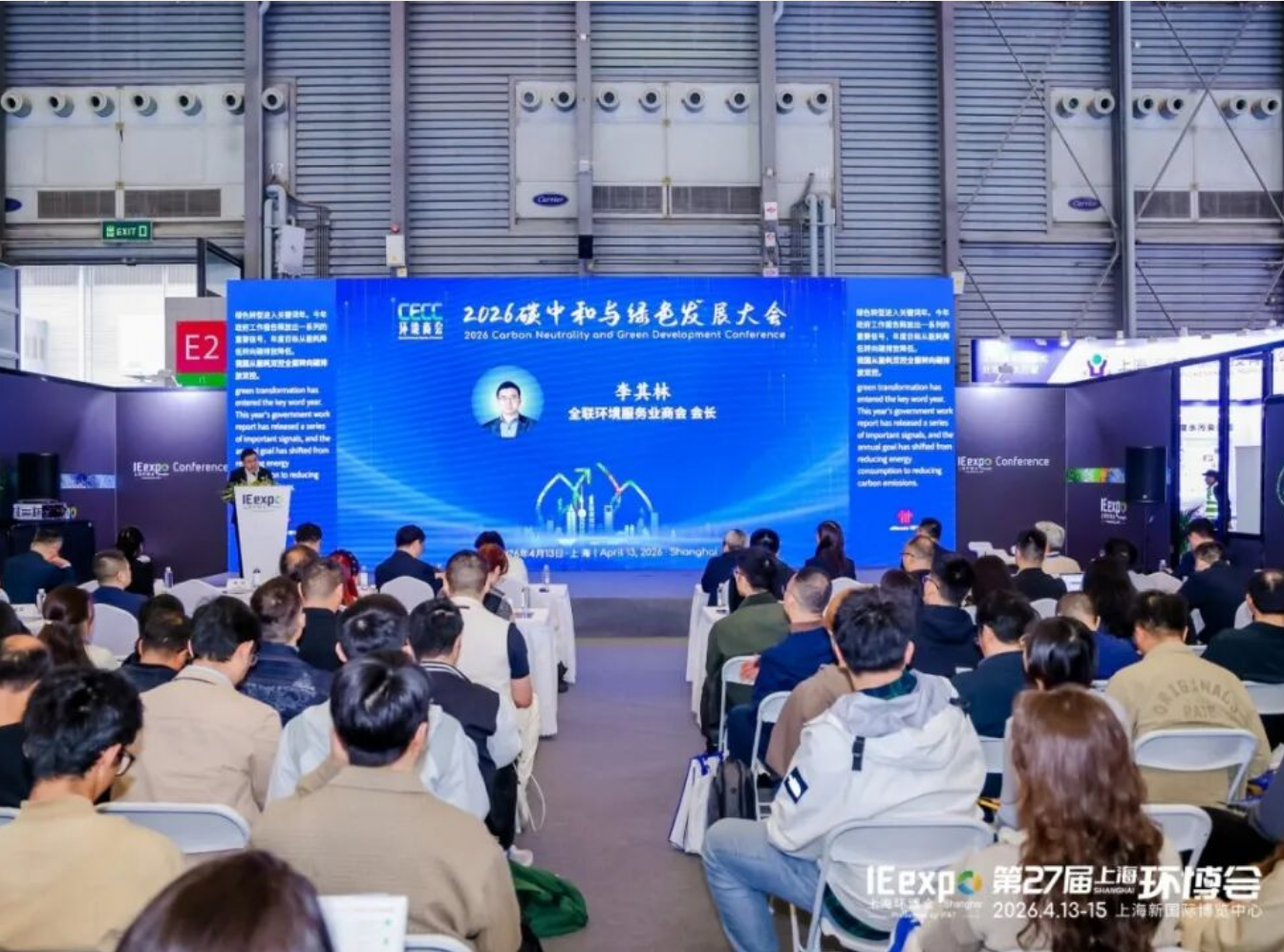
Live from IE expo China!BEWG Benchmark Water Plants Selected into "2026 Green and Low-Carbon Development Cases"
-
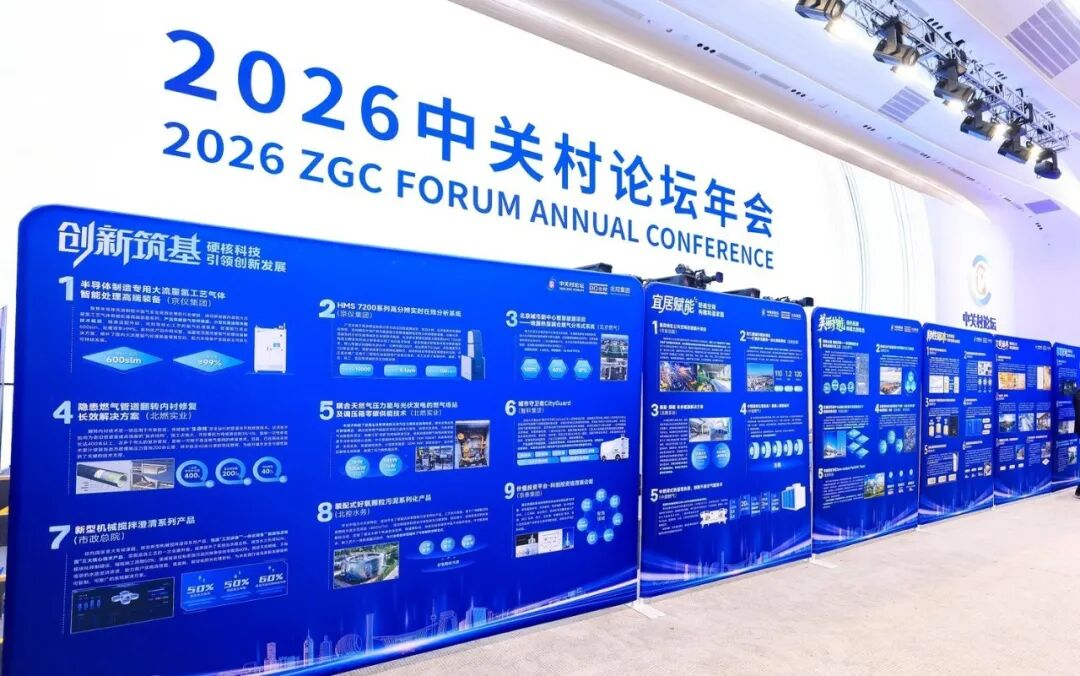
BEWG Showcases Multiple Technological Innovation Achievements at 2026 Zhongguancun Forum Annual Conference
-
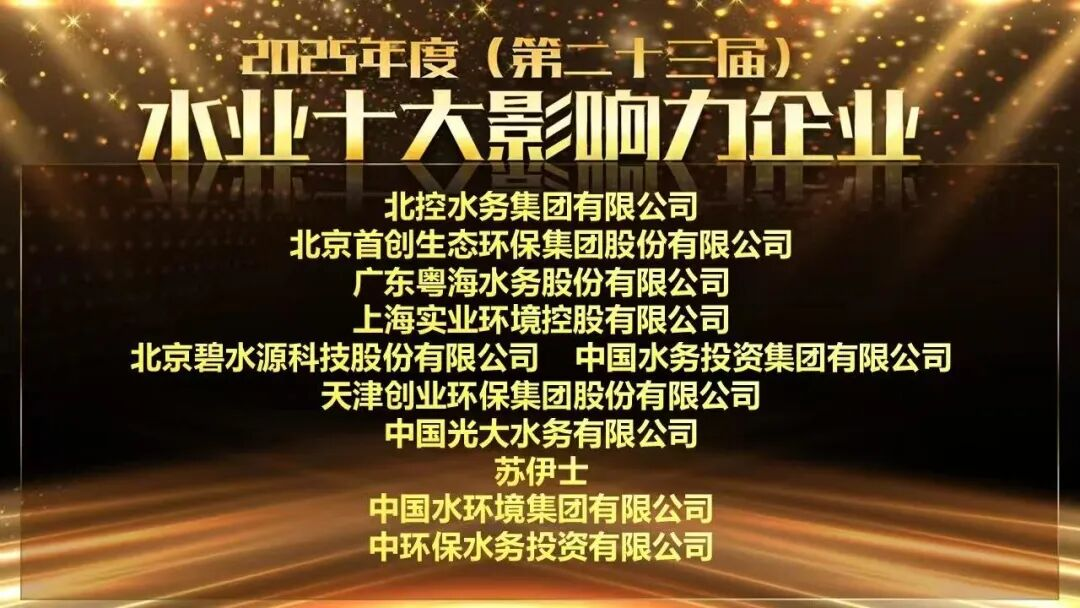
16th Year! BEWG Retains Top Position of Top 10 Most Influential Water Enterprises